Parents ask this question constantly, and most answers online are too simple: “Scratch for young kids, Python for older ones.” That’s a reasonable default, but it’s not the real answer. The real answer depends on what your child is actually ready for — which isn’t always the same as their age.
What Scratch actually teaches
Scratch is a visual, block-based programming language. Instead of typing commands, a child drags blocks together — “when green flag clicked,” “move 10 steps,” “if touching edge, bounce.” There’s no syntax to get wrong, no missing semicolon to hunt for. That’s the point: Scratch removes the friction of typing so a child can focus entirely on the logic — sequencing, loops, conditionals, cause and effect.
This matters more than it sounds. Before a child can write “if the sensor detects a line, turn left,” they need to genuinely understand what an “if” means. Scratch is where that understanding gets built, visually and quickly, often within a single session.
What Python actually teaches
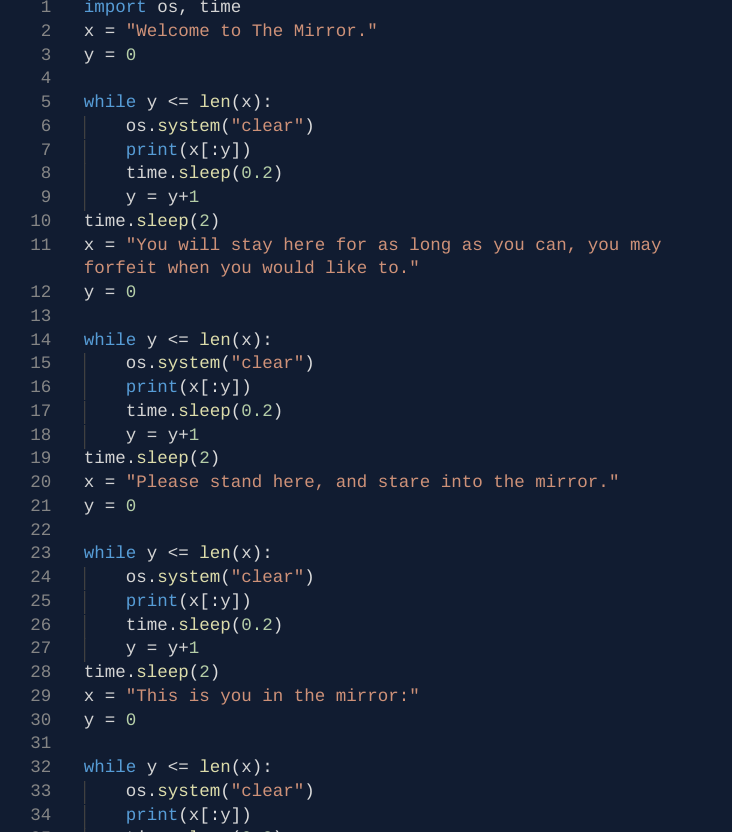
Python is a real, typed programming language — the same one used in professional software, data science, and AI tools. There’s no training-wheels version here: a Python program a ten-year-old writes uses the same syntax as one written by a software engineer.
The jump from Scratch to Python works for most children because Python reads unusually close to plain English. if score > 10: isn’t far from a Scratch block that says the same thing — the concept transfers, only the format changes.
So which one first?
If your child has never done any structured logic before — regardless of whether they’re 7 or 11 — Scratch is almost always the right starting point. It’s not “easier” in a condescending way; it’s a genuinely different tool for building the same mental model, without the added cognitive load of syntax.
If your child has already built things in Scratch — games, animations, interactive stories — and is starting to find it limiting (wanting to do things Scratch’s blocks don’t easily support), that’s usually the real signal to move to Python, not a birthday.
In NOVA’s own programs, this is exactly how the path is structured: Junior Computer Academy (6–9) starts with Scratch and visual logic, while Junior Computer Academy (10–15) builds on that foundation with real Python. Older beginners with zero prior experience still start with the same Scratch fundamentals first — the sequencing matters more than the age on the form.
The honest caveat
Some kids skip Scratch entirely and go straight into Python happily — usually ones who are already comfortable with abstract thinking or have picked up some coding exposure elsewhere. There’s no rule that says every child must pass through Scratch first. The actual test is simple: can they explain, out loud, what a loop does and why you’d use one? If yes, Python is fair game regardless of age. If not, Scratch will get them there faster than Python will.