“They love computers” is the most common reason parents give for thinking their child is ready to start coding — and it’s the least useful signal. Plenty of children who love watching videos or playing games have never had to build or debug anything. Here are the signs that actually matter.
They ask “why” about how things work
Not “why do I have to,” but genuine curiosity about mechanisms — why a game character can jump but not fly through walls, why an app does one thing and not another. That instinct to poke at the rules behind something, rather than just using it, is close to the core instinct that makes coding click.
They can handle a wrong answer without shutting down
This is the single biggest predictor we see in practice. Code almost never works on the first try — for a six-year-old in Scratch or a professional engineer. A child who can look at something that didn’t work, shrug, and try a different approach is already doing the most important part of the job. A child who gives up entirely at the first error will need that resilience built up first, and that’s fine — it’s a normal, teachable stage, just worth knowing about going in.
They can follow (and eventually give) precise instructions
Coding is instruction-giving taken to its most literal extreme — a computer will do exactly what you tell it, including the parts you didn’t mean. A child who’s used to instructions being interpreted loosely (“clean your room” meaning whatever they decide that means) sometimes finds this frustrating at first. That’s a normal adjustment, not a sign they’re not ready.
They’ve built something before — of any kind
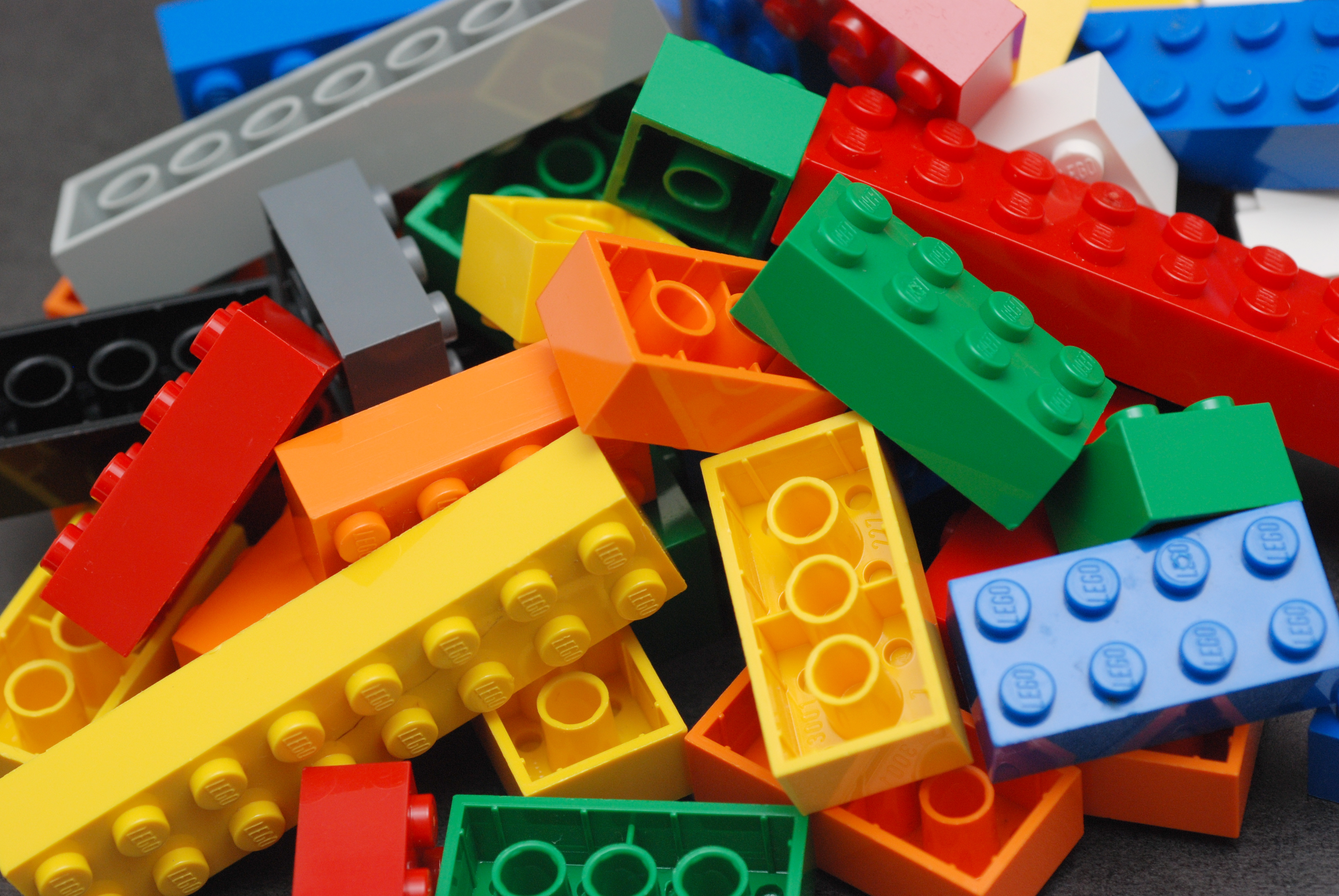
Building a blanket fort, a Lego structure, a drawing with rules for how the characters interact — these all involve planning, sequencing, and adjusting when a part doesn’t work. A child with any track record of building rather than only consuming is usually ready for coding to feel familiar rather than foreign.
What readiness does not require
It does not require prior exposure to any programming tool, unusual intelligence, or a particular age. It also doesn’t require your child to be able to sit still for long periods — plenty of highly capable young coders are wriggly, restless, and still completely engaged when the content is right. That’s what a shorter, focused session format (rather than a long lecture-style class) is built to accommodate.
If you’re still not sure
The honest answer is that a single trial class tells you more than any checklist. Readiness shows up fast once a child is actually sitting in front of a real project — you’ll see within the first session whether the “why” questions and the willingness to retry are there. That’s precisely what a free trial class is for.